FPG Faculty Fellows are UNC-Chapel Hill faculty members who play a vital role in our work. The faculty listed below have a primary appointment in an academic or health affairs department, while also actively and substantially participating in research, evaluation, implementation, or technical assistance projects at FPG. Faculty Fellows are valued and respected members of the FPG community, and they benefit the Institute by fostering innovative and interdisciplinary work and increasing our visibility and impact across campus and beyond.
FPG Fellows Program Description
FPG Fellows are UNC-CH faculty who actively collaborate with FPG investigators. FPG expects Fellows to be engaged ambassadors who use and promote FPG resources, help build collaborations, and support sustainability — and in return, Fellows gain access to a powerful interdisciplinary network, core services, visibility, and infrastructure that strengthen their research, mentoring, and impact. Fellows benefit FPG by fostering innovative and interdisciplinary work and increasing our visibility and impact across campus and beyond.
Expected Fellow Involvement in FPG
In addition to collaborating with FPG investigators on papers, proposals, and projects, Fellows are encouraged to be meaningfully involved with FPG in a variety of ways, including but not limited to:
- Serve as an FPG ambassador with home units and UNC more broadly
- Share expertise at seminars and through participation in grant-writing groups, workshops designed to enhance investigator professional development, and other events
- Serve on committees such as Mentoring Committees, the Appointments and Promotions Committee, Management Team, and other ad-hoc committees
- Facilitate investigators’ connections with academic departments (e.g., co-supervise independent study students, invite FPG investigators to give talks in their classes)
- Use FPG core services and supports when feasible and share partial F&A through funded work
- Acknowledge FPG in grants and publications when appropriate
- Refer undergraduate and graduate students to FPG for research opportunities, when relevant
- Provide opportunities to FPG junior investigators to collaborate on papers and projects, and
- Provide pre-reviews of FPG grant applications
Fellow Benefits
Fellows are entitled to full membership in the community of FPG investigators and in all other activities of the Institute. They are invited to attend seminars, special events, investigator meetings, annual meetings, and celebrations. Their work can be promoted on FPG’s website and through our extensive e-news distribution.
Those Fellows who choose to submit applications and manage their research projects within FPG also will be provided with grant proposal and accounting services and basic IT support. Furthermore, they may access FPG’s other core support services (e.g., IT, data management, statistical analysis, instructional and web design), most of which require salary support for core services staff. Finally, research projects housed and administered through FPG may be granted space to support the work.
Appointment Criteria and Process
The criteria for being granted Fellow status are that: (1) the individual is an assistant, associate, full, or research professor in an academic or health affairs department at UNC-CH; (2) the faculty member’s work is aligned with FPG’s mission and strategic plan; and (3) the individual actively participates in the FPG community. UNC-CH faculty may apply for a Fellow appointment by contacting the FPG Associate Director for Research. Appointments are for 2 years with the potential for renewal.
For further information regarding the Fellows’ program and opportunities for engagement with FPG, please contact FPG’s Associate Director for Research, Noreen Yazejian.
Professor, Department of Psychiatry; Professor, Department of Psychology; and Director, Psychiatry Neuroimaging Research

Associate Professor, Assistant Division Director, Admissions Chair
Division of Clinical Rehabilitation and Mental Health Counseling
Department of Health Sciences



Professor, Department of Maternal and Child Health and Department of Epidemiology, Gillings School of Global Public Health
Professor, UNC Departments of Psychiatry, Psychology & Neuroscience, Carolina Institute for Developmental Disabilities
Director, UNC Intellectual and Developmental Disabilities Research Center (IDDRC)




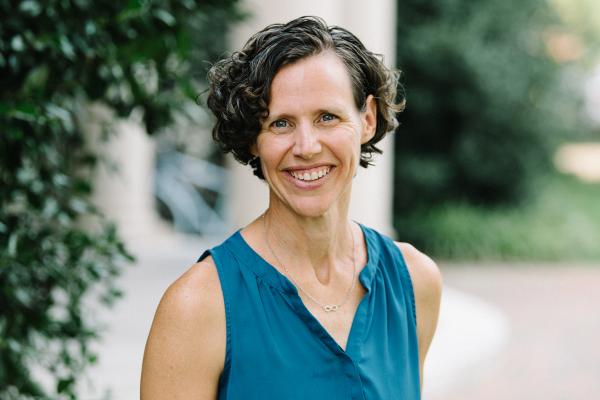
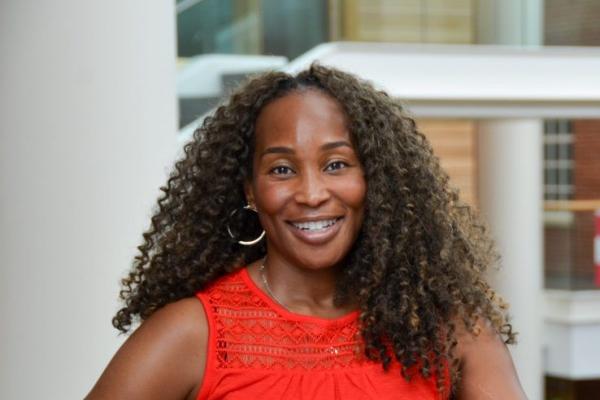
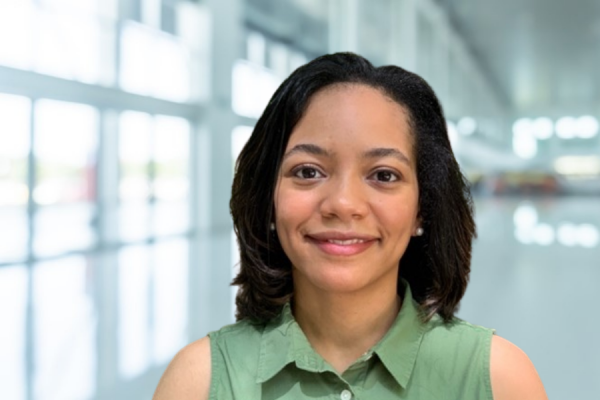
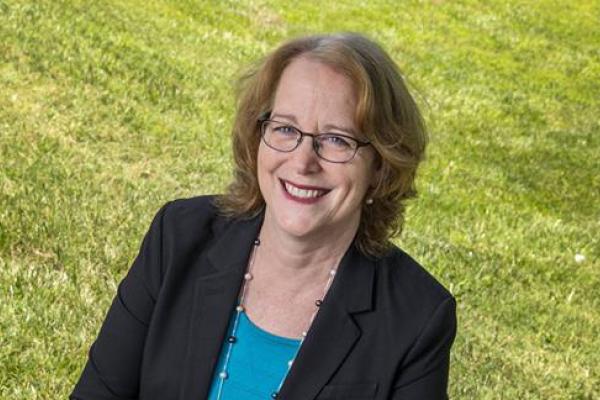



Professor and Program Coordinator, Applied Developmental Sciences and Special Education & Early Childhood Intervention and Family Support, School of Education



Assistant Professor, Department of Health Policy and Management, Gillings School of Global Public Health





Emeritus Fellows


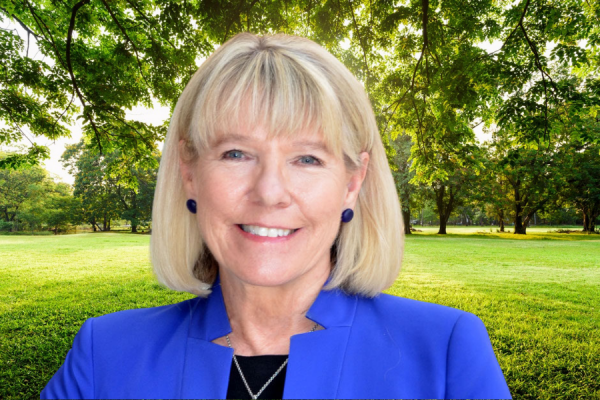

Adjunct Professor of Psychology and Neuroscience; F. Stuart Chapin Distinguished Professor, Emeritus