


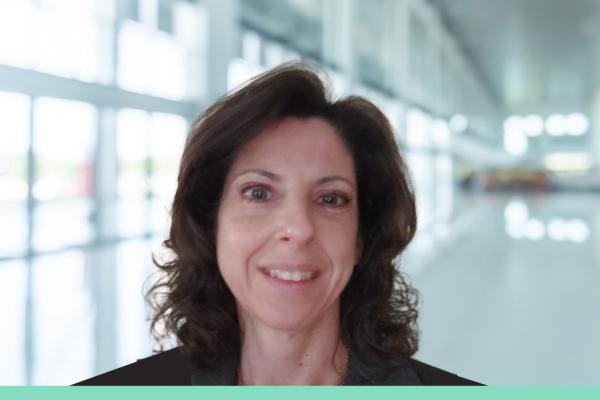
FPG Profile: Kris Earl
Kristine Earl, EdD, is a technical assistance specialist at the UNC Frank Porter Graham Child Development Institute (FPG). In this role, she partners with state educational and public agencies to provide technical assistance and professional development learning opportunities to support the implementation of best practices in early childhood and K-12 education. Earl has a Doctorate in educational leadership, with graduate and undergraduate certification in school administration, special education, and early education. Prior to joining FPG, she worked in a school district serving in administrative and supportive roles after having taught for several years in the areas of special and early education.
As part of our FPG profile series, we recently spoke with her to learn more about her work at FPG. Here’s what she had to say.
Tell us a bit about your professional journey―and what brought you to FPG?
I started my professional career as a special education teacher, teaching in various settings and across multiple age groups. From the classroom, I moved into supportive and administrative roles becoming an exceptional children’s support specialist and coordinator, assistant EC director, and my last position in the district was as the director of early childhood development. Within this role, I received support from consultants with the NC Early Learning Network at FPG, which I had the opportunity to join in 2017. Since becoming a member of FPG, I have had the opportunity to work on multiple projects.
What do you do at FPG—describe your job, walk us through a typical day, and tell us about the projects you're currently working on.
Currently, I am an implementation specialist within the National Implementation Research Network at FPG (NIRN), working across projects including the New York District Math Network and SISEP, and serve as PI for the PA Capacity Development for Continuous School Improvement project. My work centers around implementation science, working with educational agencies to develop systems and build capacity to effectively implement and sustain practices. I can’t say there is a typical day, however, my days are filled with meeting with teams and specialists within various educational agencies, supporting networking activities among these agencies, developing and facilitating professional learning sessions, supporting SISEP’s micro-credentialing program, and maintaining resources on NIRN’s Active Implementation Hub. Accomplishing these activities requires regular engagement with various teammates to support ongoing planning and alignment within NIRN’s technical assistance and implementation efforts.
What do you like most about your job?
The engagement with multiple educational agencies and districts, each with their unique context and priorities, in working to support student outcomes. I enjoy working with individuals and teams to examine their current structures and initiatives, to then engage in co-planning to develop systems and capacity to support their work. Doing this work supports building practitioners, leaders, and teams’ capacity to apply implementation science into practice.
What do you find most challenging?
There are a lot of uncertainties in education right now. Changes in how education systems are structured, shifting priorities, and funding cuts have affected many of the agencies we work with. These serve as a challenge, but also as an opportunity to engage in creative problem solving and barrier busting, working with our partnering agencies to identify creative solutions in an effort to minimize the impact and identify strategies that can continue to move their work forward. However, at times, these challenges have had a more substantial impact, requiring agencies to change direction or pause in their work.
How does your work further the mission of FPG?
Working as an implementation specialist within NIRN, my work centers on supporting agencies in building effective and sustainable practices to improve student outcomes. Regardless of what level within the educational system we support, the state, regional, or the district level, the focus is on building a system to impact classroom practices to achieve desired student outcomes.
What do you hope to have accomplished five years from now?
I am 30+ years into my career focused on supporting children, families, and the field of education. Within the short term, I aspire to expand my knowledge and work within implementation science, to gain a deeper understanding of the different frameworks and approaches to further develop my skills in providing technical assistance to a broader field beyond education. Within the next 5 years, my thought is to possibly wind down my full-time career while continuing to seek opportunities to support children and families.
Is there anything else you would like people to know about your work/working at FPG?
Joining FPG as an NC ELN consultant provided opportunities to engage and work across various projects, allowing me to gain a broader perspective on the work at FPG. I value these opportunities as they have allowed me to experience the larger impact FPG has in supporting children, families, and communities.


