


November 11, 2026
The Division for Early Childhood (DEC) and the National Association for the Education of Young Children (NAEYC) have released their revised joint position statement on early childhood inclusion. Two FPG investigators played central roles in the work.

November 9, 2026
A new report from FPG's Equity Research Action Coalition, based on the UNC-Gallup Black Family Census, examines the cost, access, and quality challenges Black families face in accessing child care and what it will take to close the gap.

November 4, 2026
Major League Baseball teams have embraced analytics and innovation—but their next competitive edge may depend on how consistently they put new ideas into practice. In this FPG Voices feature, Stephen McKinney explores how implementation science can help organizations turn knowledge into sustained performance.
October 27, 2026
Everyday questions, discoveries, and play can open the door to STEM learning for every child. Join the free, online STEMIEFest November 9–10 to explore how families and early childhood professionals can notice and nurture children’s thinking—and inspire lifelong curiosity.
October 22, 2026
What happens when educators look beyond rewards and short-term compliance to focus on connection? In this FPG Voices feature, Adam Holland shares the experiences behind Thinking Outside the Prize Box and his relationship-centered approach to navigating challenging classroom behavior.

October 20, 2026
For 60 years, FPG has advanced research, strengthened systems, and developed resources that help children and families thrive. Explore our anniversary timeline tracing the people, projects, partnerships, and discoveries that have shaped six decades of impact.

October 14, 2026
STAAR-TRI is preparing paraeducators and other school staff to deliver timely, individualized reading support to K–5 students with or at risk for reading disabilities. Led by FPG’s Heather Aiken, the project pairs proven Targeted Reading Instruction with professional development, coaching, and digital tools designed to strengthen educators’ confidence and help more children thrive as readers.

October 8, 2026
How can schools ensure students help shape the programs and practices designed to support them? In this new FPG Voices feature, NIRN shares three practical strategies for centering student perspectives throughout the implementation process.
October 5, 2026
Explore FPG’s latest research and resources advancing evidence-based practices and deepening understanding of children, families, and the professionals who support them. This fall roundup features recent journal articles, reports, policy briefs, practical guides, and other publications from across the Institute.
October 1, 2026
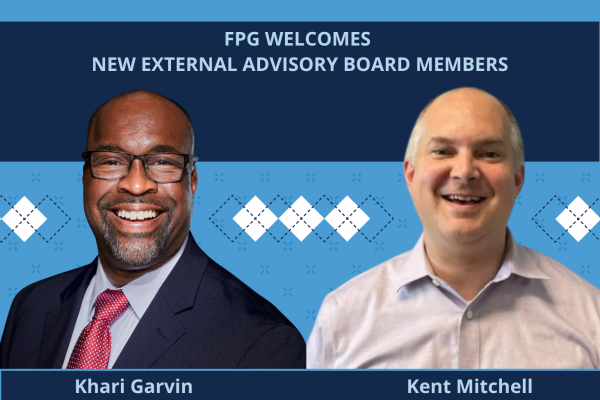
FPG has welcomed two accomplished leaders, whose careers have centered on improving opportunities for children and families, to its External Advisory Board. In a Q&A, Khari Garvin and Kent Mitchell discuss what drew them to FPG and the perspectives they will bring to the board.

September 29, 2026
A new EPIC–FPG study is examining how school and district conditions shape the experiences of special education teachers—and the students they serve. By identifying practical, changeable factors that support educators, the research could help strengthen special education across North Carolina and beyond.
September 25, 2026
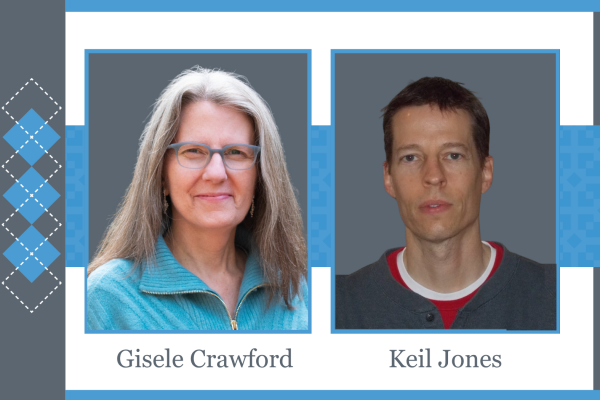
The UNC Frank Porter Graham Child Development Institute is pleased to announce that Gisele Crawford and Keil Jones are the recipients of the 2026 Gallagher Award for their outstanding service to the Institute. This annual award recognizes exemplary attitudes, dedication, and contributions to the FPG community.
September 22, 2026
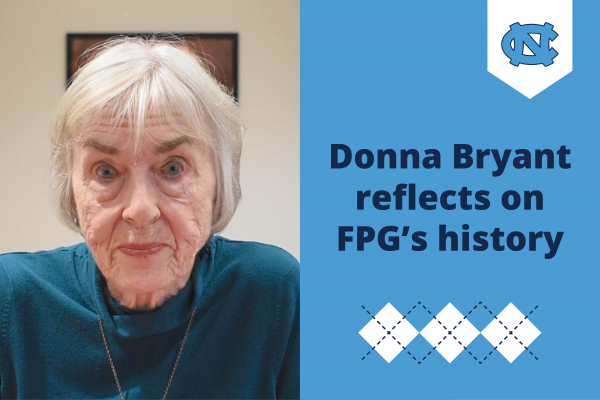
For 60 years, FPG has helped shape what children need to thrive—advancing research, practice, and policy in early childhood development. In this anniversary reflection, longtime FPG senior research scientist Donna Bryant, PhD, looks back on the landmark studies, partnerships, and people that have defined the Institute’s enduring impact.

September 18, 2026
Created by implementation specialists within FPG’s Impact Center, the ICTP Implementation Support Practice Action Guide Series helps communities in North Carolina and South Carolina strengthen and sustain implementation of the evidence-based Triple P – Positive Parenting Program system of interventions.
September 16, 2026
Helen Rose Miesner is a research assistant professor in Public Policy at EPIC. She is also a faculty fellow at FPG. professional journey, what keeps her motivated, and what being a faculty fellow at FPG means to her.
September 9, 2026
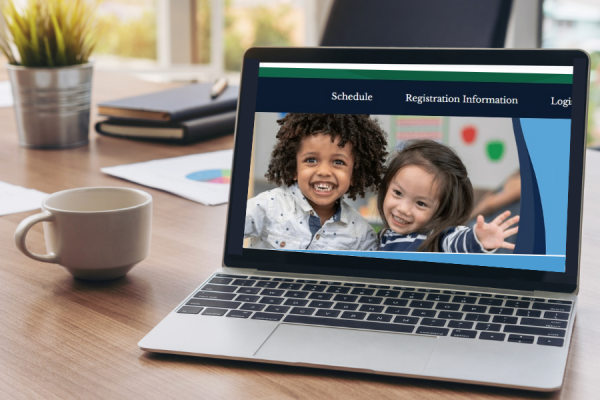
Early childhood professionals from around the world came together online for the virtual-only segment of FPG’s International Early Childhood Inclusion Institute. Across 24 sessions, participants explored practical strategies, evidence-based tools, and family-centered approaches designed to strengthen inclusive early childhood systems.
September 2, 2026
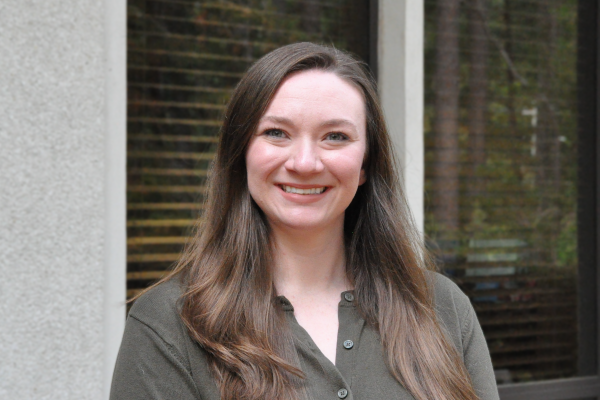
Kylie Garber, a research scientist at FPG, received the 2026 Abecedarian Award for research that builds on FPG’s landmark early childhood studies. Her work explores how language-rich, responsive caregiving can inform today’s early care and education classrooms.

August 26, 2026
FPG’s 60th anniversary celebration honored the Institute’s legacy of shaping early childhood research, policy, and practice while challenging the field to meet the needs of a changing world. A morning of reflection, research, and big questions point toward the FPG’s next chapter of impact for children, families, and communities.
August 20, 2026
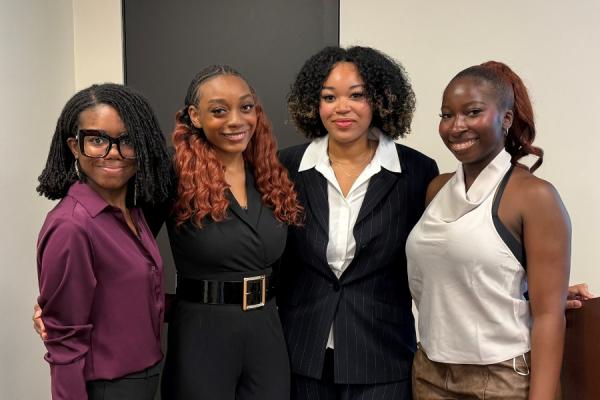
FPG’s 2026 McKinney Scholars closed their nine-week summer internship by presenting research on after-school engagement, autism diagnosis disparities, school discipline policy, and kinship care financial supports—highlighting the power of mentorship, lived experience, and research to advance outcomes for children and families.
August 18, 2026
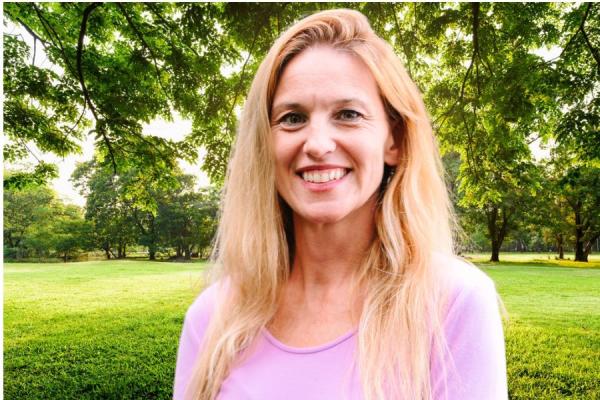
Susie Welty, a doctoral student in public health at UNC Gillings, is working with the AFIRM-AI project within the Frank Porter Graham Child Development Institute. In this student profile, Welty shares how her public health background, personal connection to autism, and interest in responsible AI led her to the Institute and shaped her focus on using technology for social impact.


